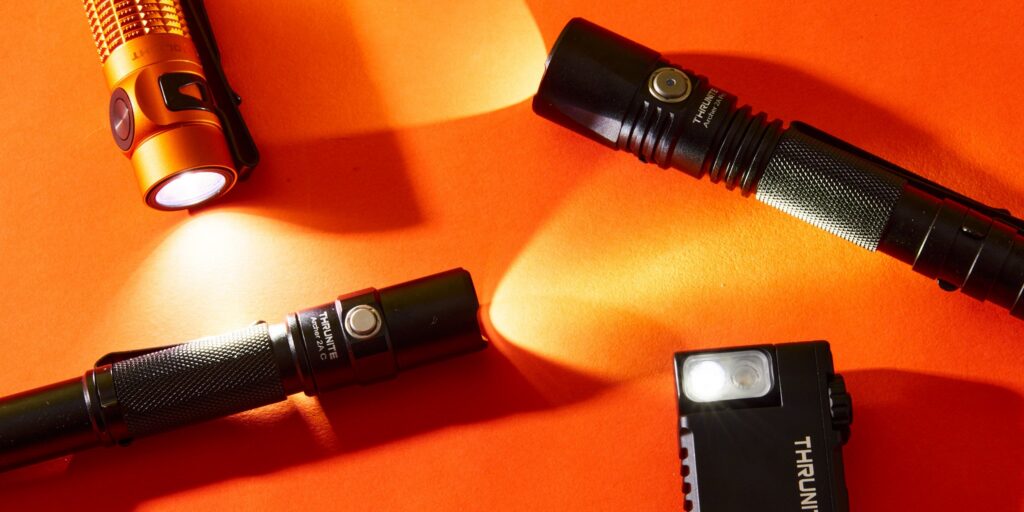
On high, the ThruNite Archer 2A Pro let Wirecutter’s testers make out trees at the far end of a 500-foot field. At its dimmest, it barely lit a wall 10 or 15 feet away. That faint light was the one testers wanted for reading a map or checking on a sleeping child. The range between those extremes, along with the option to use ordinary AA batteries, made the Archer 2A Pro their all-purpose pick.
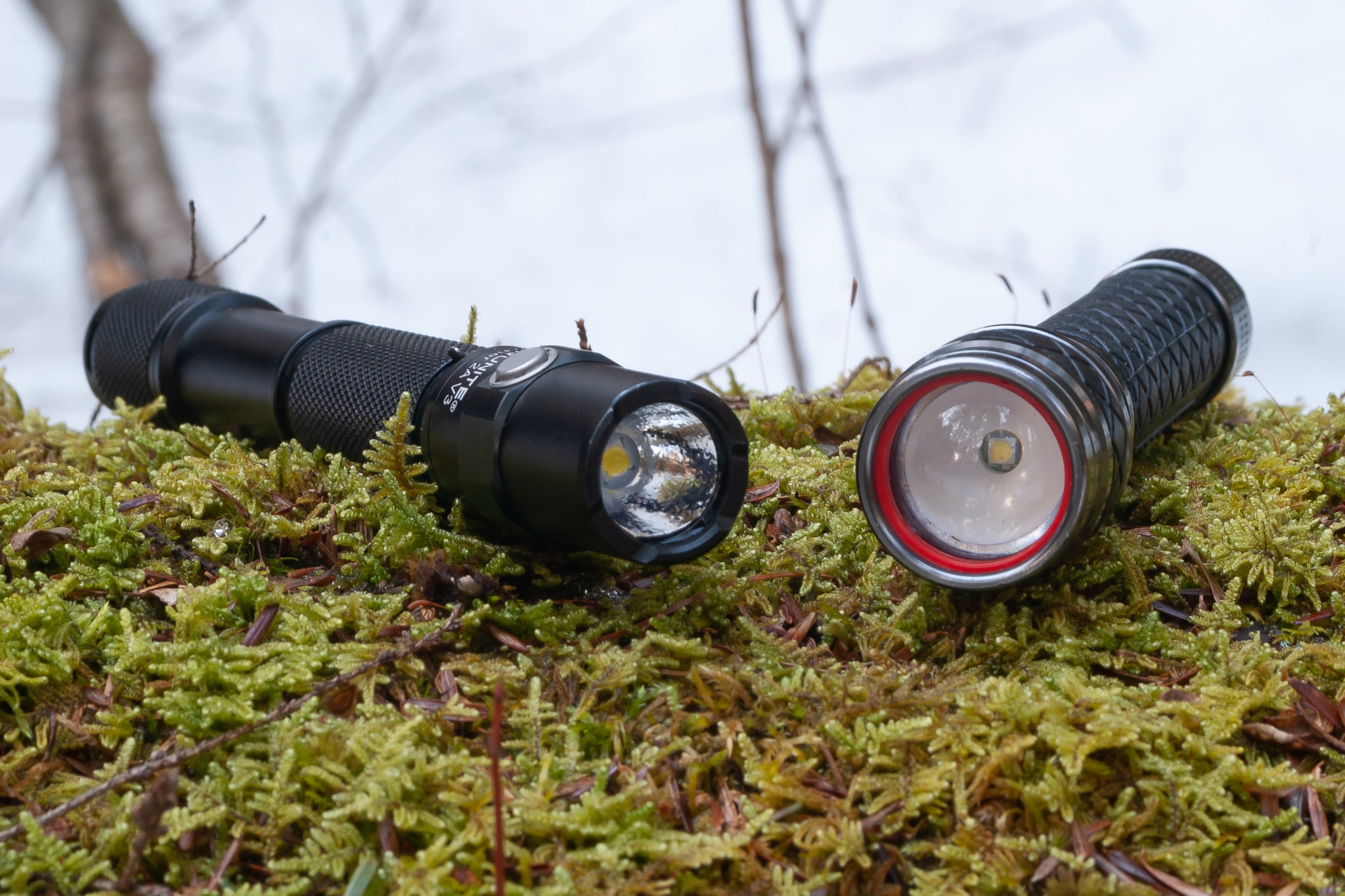
For the house or trail: ThruNite Archer 2A Pro
The Archer runs on an included rechargeable battery that charges inside the flashlight. It also accepts two AAs, a useful fallback when the power is out. The batteries aren’t equivalent: the rechargeable delivers a brighter beam at the upper settings and lasts longer on some settings. ThruNite gives run times of about 2 hours and 21 minutes on high and 23.5 days on the lowest setting, called firefly, with the rechargeable battery.
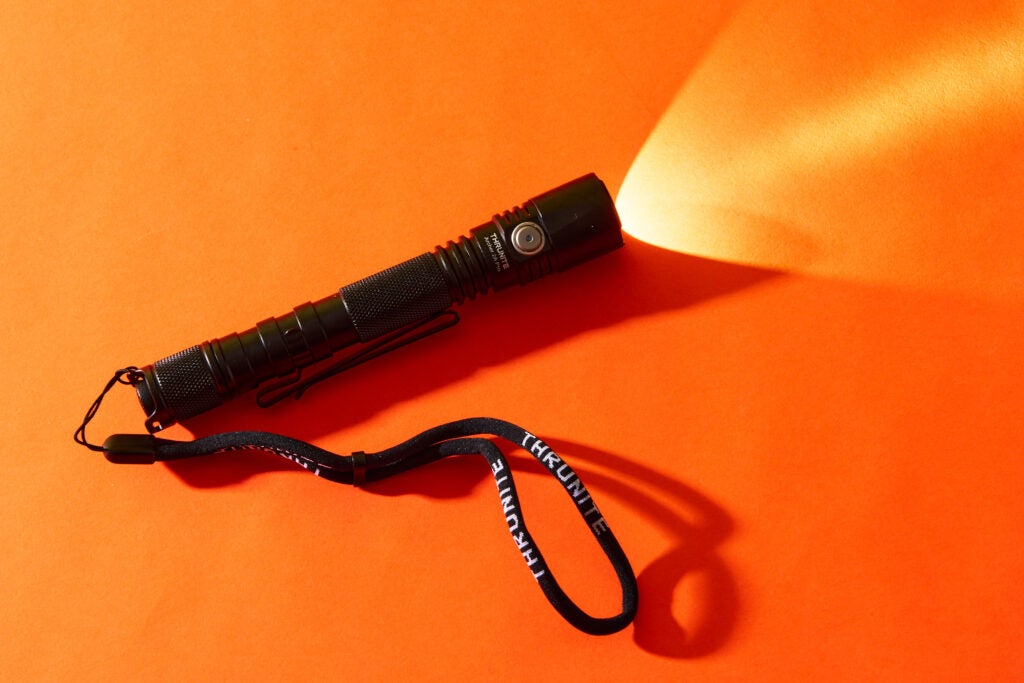
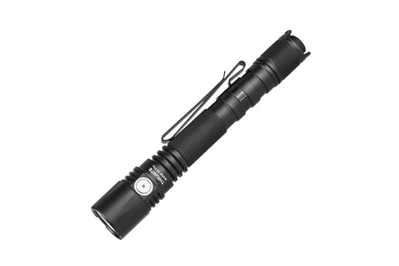
A rear switch turns the light on at the brightness last used. A separate button near the lens cycles through high, medium, low and firefly. The strobe takes a deliberate triple click, so there’s no burst of flashing light to get past when all you want is a dimmer beam. Testers found low or medium sufficient for most tasks.
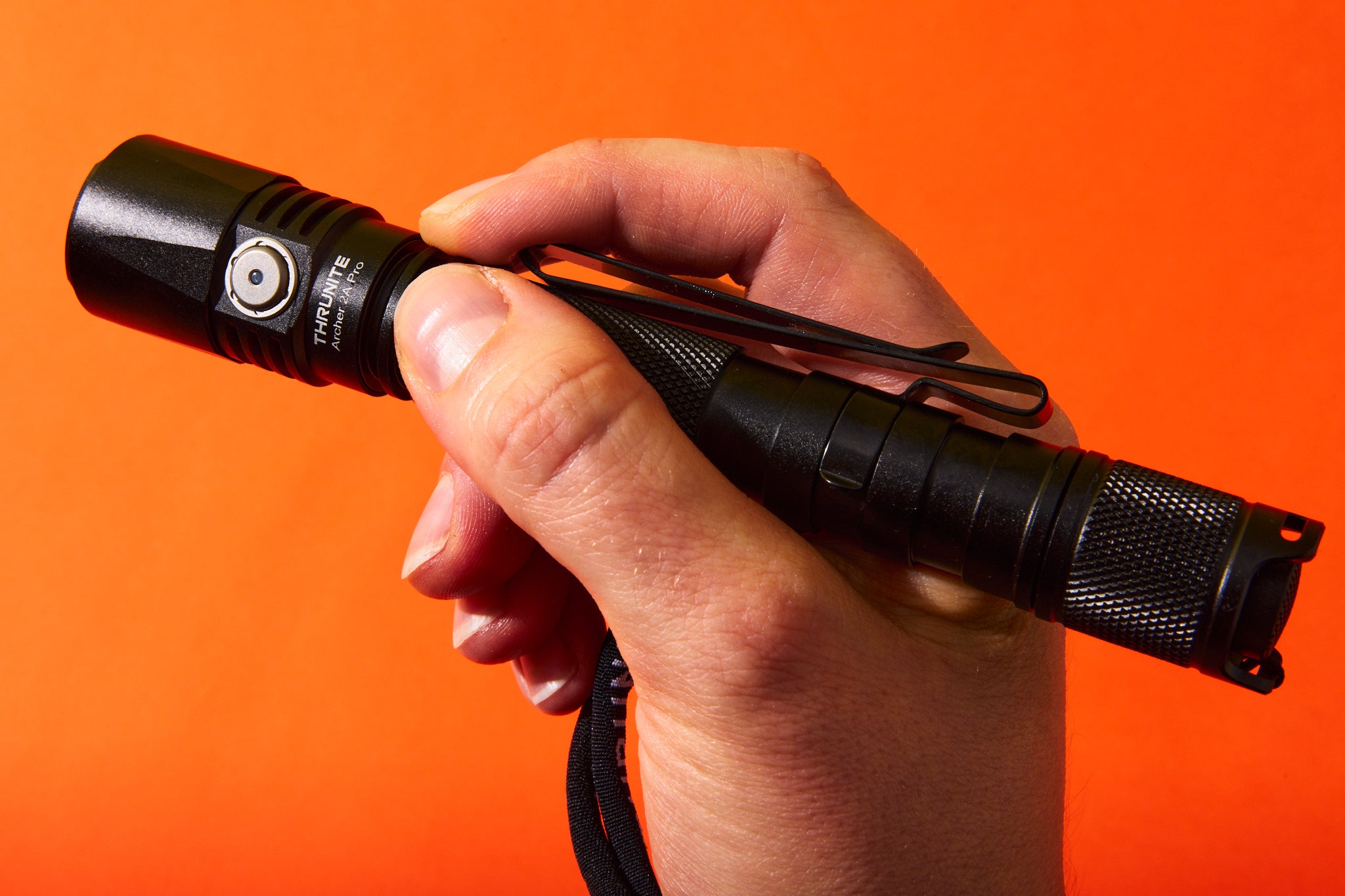
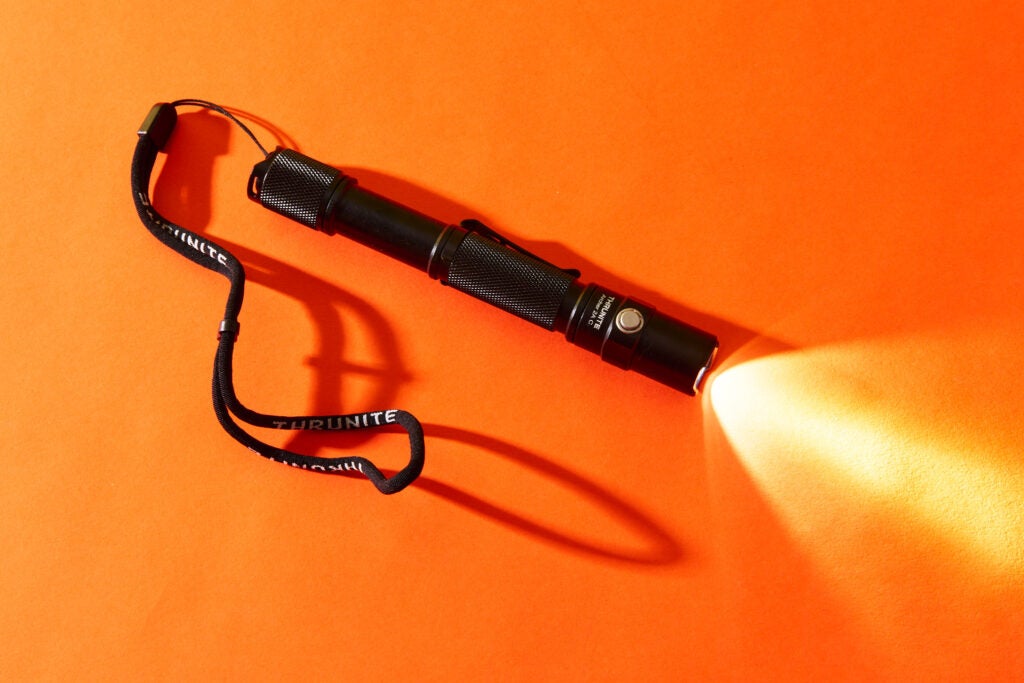
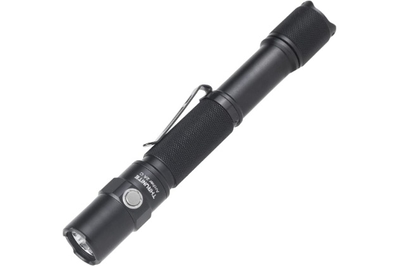
The cigar-sized Archer is comfortable to hold, but it takes up more room than many people will want to give it in a pants pocket. Its clip can also attach to a hat brim for hands-free use. If the Pro is unavailable, the ThruNite Archer 2A C is a slightly smaller alternative with the same choice of batteries. Its beam doesn’t reach as far, and you have to remove the rechargeable battery to plug a cable into its USB-C port.
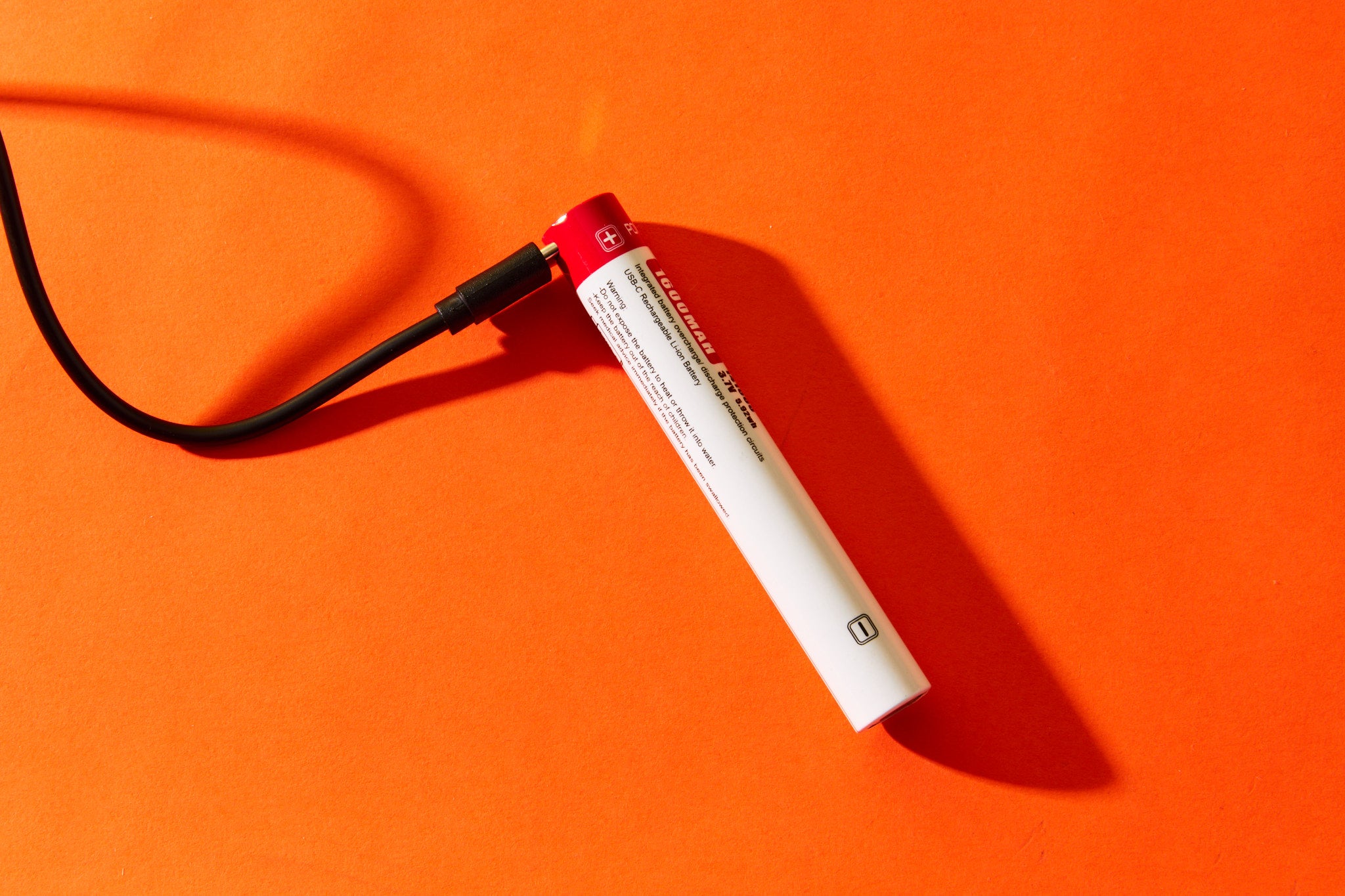
For a pocket: Olight Baton 4 Pro
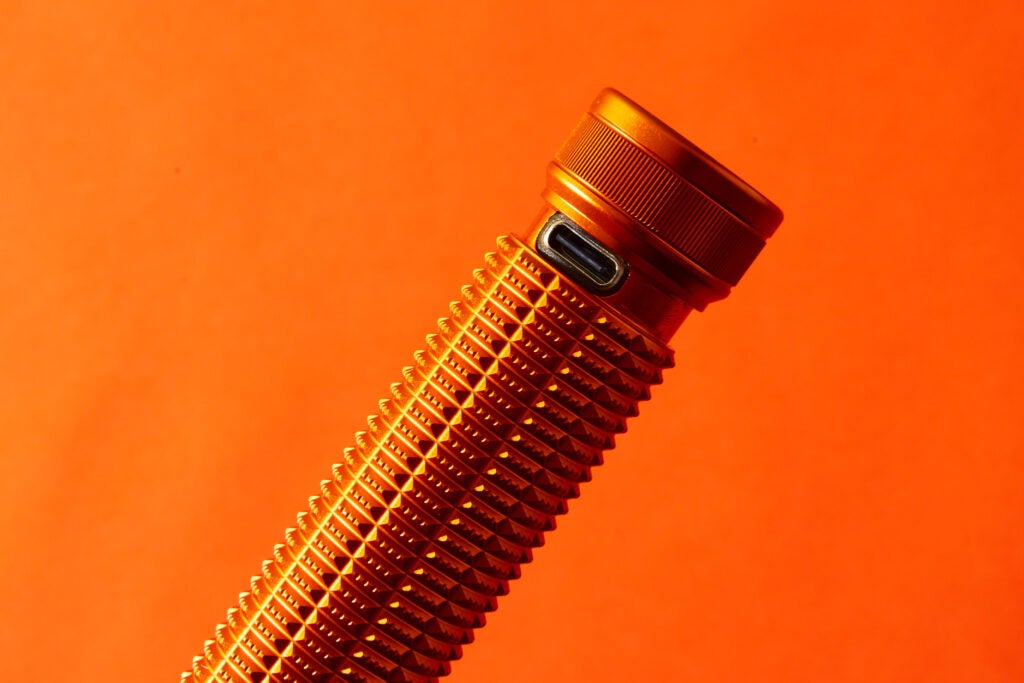
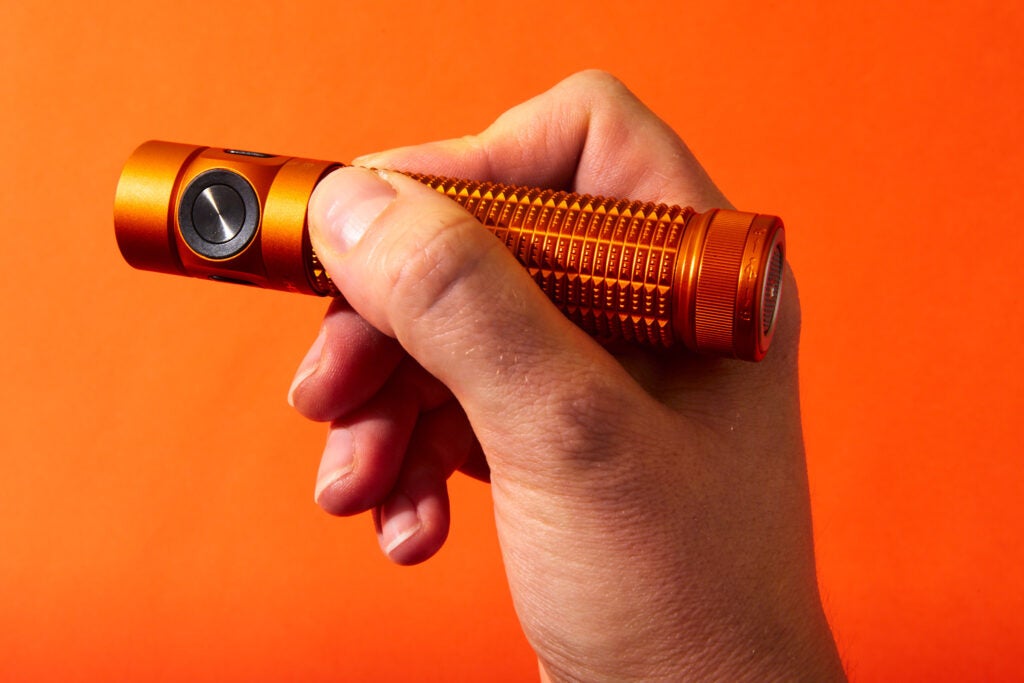
At about 4 inches long, the rechargeable Baton 4 Pro is easier to carry in a pocket than the Archer. It costs more, but testers found it brighter and longer-lasting at the higher settings than the Archer 2A C. A magnetic charging cord snaps onto the tail. If that proprietary cord isn’t handy, twisting the end of the flashlight reveals a USB-C port.
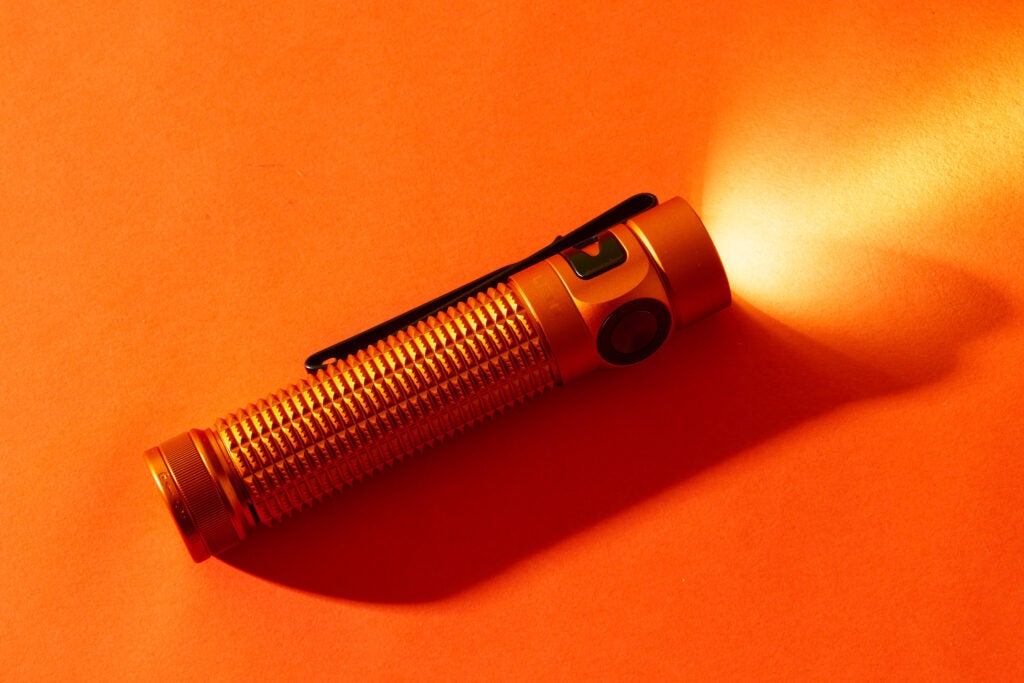
The choice of button matters on this model. The tail switch goes straight to the brightest available setting. For a map check on a dark trail, use the side button instead: it recalls the previous setting, so you can return to a low beam without spoiling your night vision.
For hands-free repairs: ThruNite T5
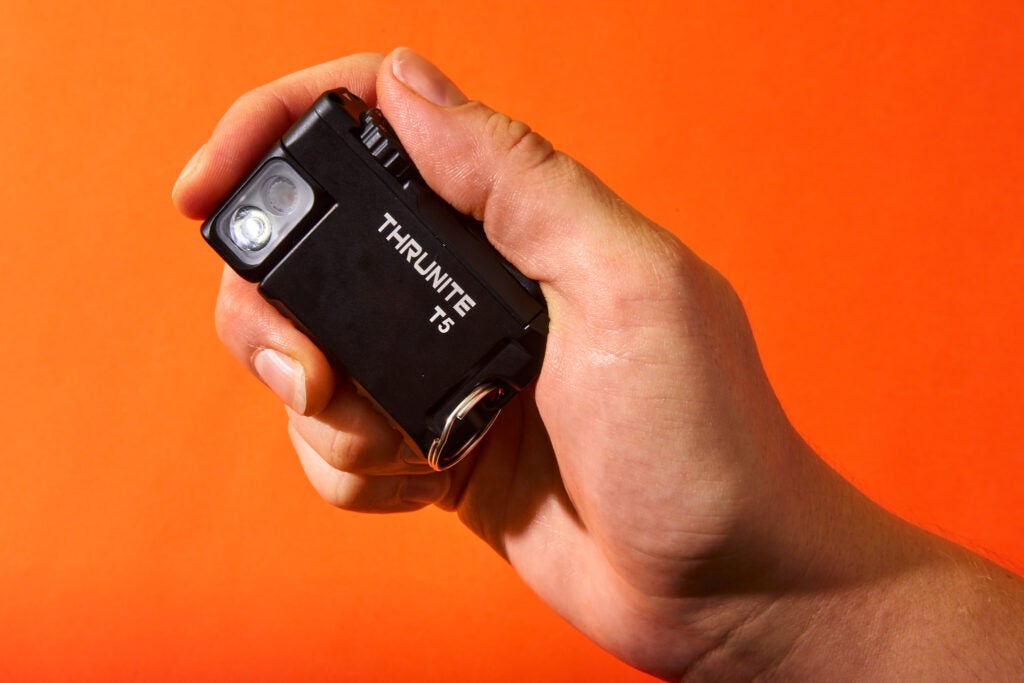
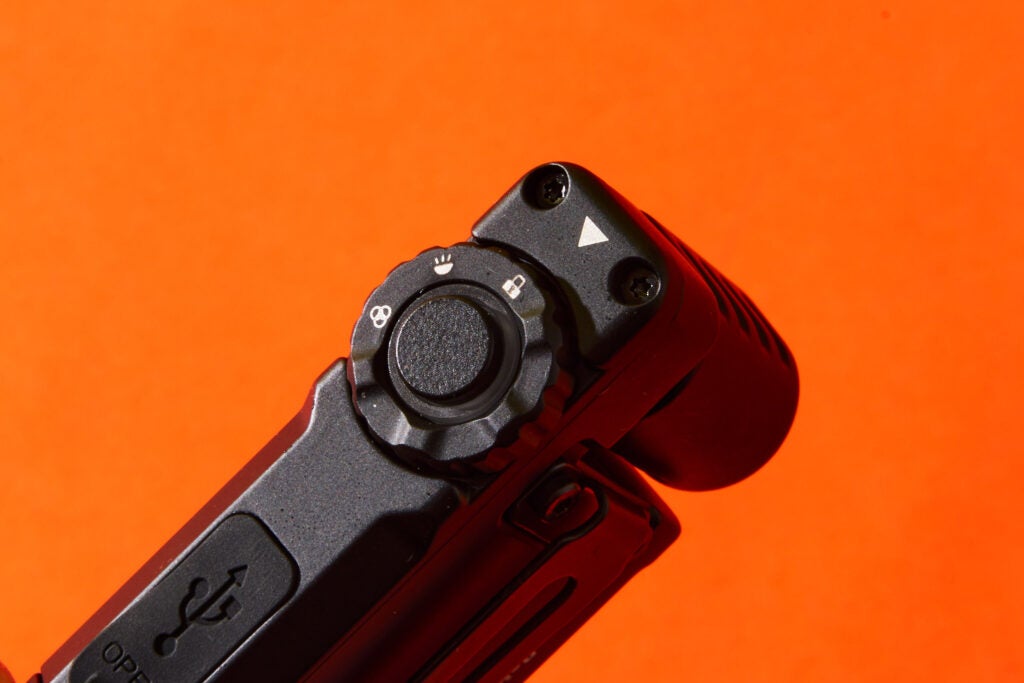
The T5’s advantage under a car hood is that you can put the light where you need it and leave both hands free. Its magnetic base supports the 2.29-ounce flashlight on a vertical or overhead metal surface, and the head pivots to aim the beam. Where there’s nothing magnetic to attach it to, the rectangular body can stand on its tail or rest on a side without rolling away.
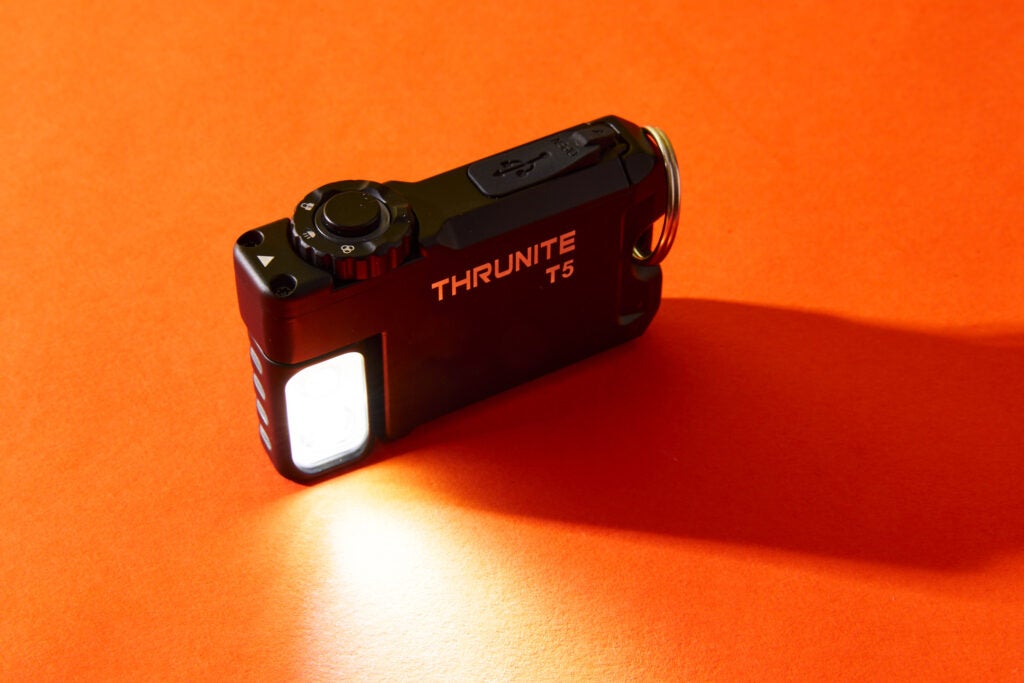
At 158 lumens on high, the T5 falls between the Archer 2A Pro’s low and medium settings. It’s better suited to illuminating nearby work or a path than to spotting something across a field. Alongside its white beam, it offers red, green and blue light, either steady or blinking. A locking button helps prevent it from turning on inside a backpack.
What the tests tell you about the beam
On repeated night walks in the New Hampshire woods, Wirecutter’s testers assessed how far each beam reached and how much of the surroundings remained visible. For walking a dog or pitching a tent, flashlight reviewer Dave Wise favored a reflector: it lights a central spot and the ground around it at the same time. A zoom lens makes you choose between a concentrated spot and a broader wash of light.
To compare how output changed as batteries drained, testers also measured reflected light inside a sealed box, taking readings for up to 90 minutes if the batteries lasted. That test compared models; it wasn’t a standardized laboratory verification of manufacturers’ brightness claims.