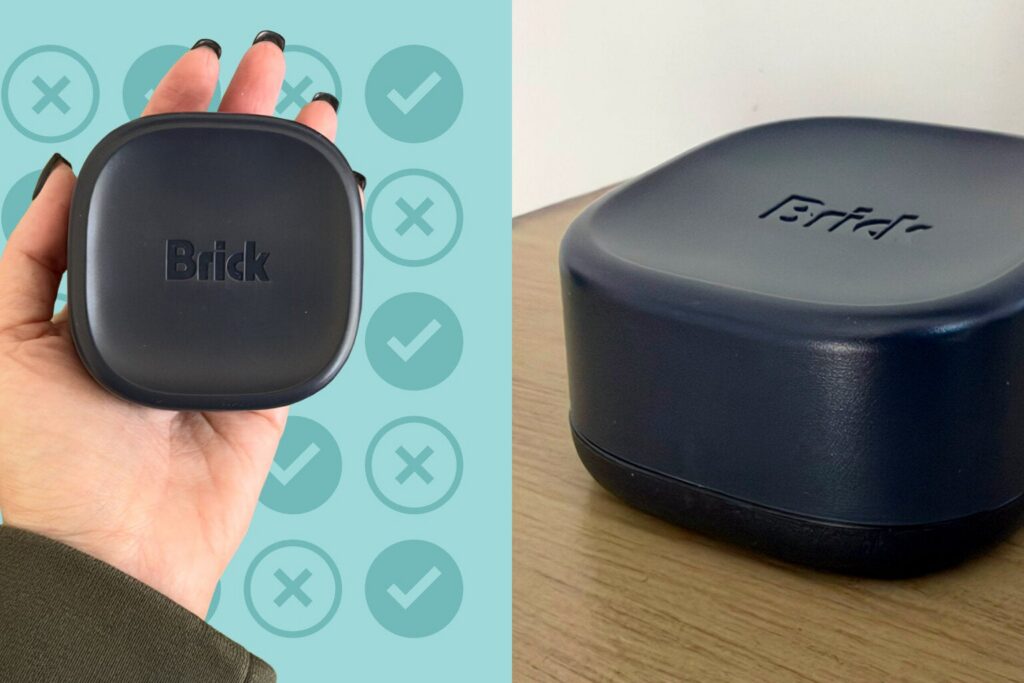
With the $130 Brick Night on a dresser beside the bed, a Wirecutter reviewer no longer had to decide each night whether to block Instagram. At 10 p.m., the device did it automatically. At first, the reviewer picked up a book or journal instead of scrolling. But after about three weeks of testing, the reviewer preferred the $60 original Brick. The difference wasn’t which apps the devices could block. It was what it took to get them back.
A bedtime rule with a 25-foot limit
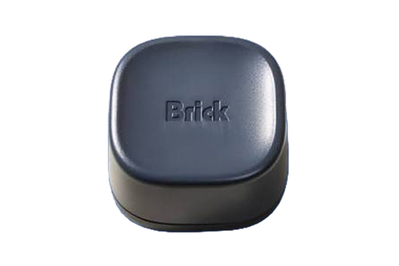
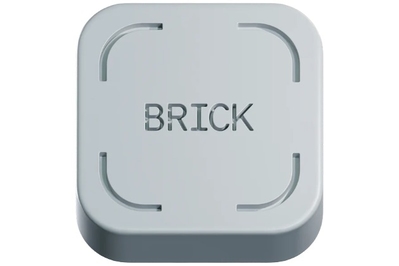
Brick Night uses Bluetooth to restrict selected apps and websites while a phone is within a range the user sets, up to 25 feet. Walk out of range and access returns. The original Brick uses near-field communication: users can tap their phone on the device to start blocking apps or schedule the block to begin automatically. Ending the block requires a physical tap, even if the Brick is in another room.
Both devices use the Brick app for Android and iOS. Several people can share one Brick Night, but each needs the app and a separate account. That lets each person choose which apps and sites to restrict and whether the restrictions apply all day or only at certain times.
Because the reviewer also worked in the bedroom, an all-day block made little sense. Instead, the reviewer set Brick Night to restrict apps including Instagram, TikTok, Netflix and YouTube from 10 p.m. to 9 a.m. every day. The schedule helped in the morning, too: rather than spending an hour scrolling in bed, the reviewer reached for a Kindle.
Then the routine shifted. The reviewer lingered in the living room to keep scrolling, turned off weekend restrictions and sometimes moved Brick Night far enough across the bedroom to use social media from bed. With the original Brick kept in another room, the prospect of getting out of bed to tap it had been enough to make the reviewer reconsider.
Where the flexibility helped
Elissa Sanci, who had used the original Brick for just over a year and credited it with helping her quit social media, planned to keep using Brick Night. With her scrolling already under better control, she wanted restrictions in particular situations without having to tap her phone. Ivy Liscomb preferred to tighten the settings on her screen-time app or leave her phone outside the bedroom rather than pay for another device.
Annemarie Conte tried Brick Night with her husband and teenagers but struggled to find a shared occasion when everyone wanted the block. At the dinner table, where the family already had a rule about phones, she preferred that they hold one another to it.
For the lead reviewer, Brick Night’s location-based convenience wasn’t worth the extra $70. The original Brick could already start a block on an evening schedule. What proved useful at bedtime was leaving the device somewhere that took a little effort to reach.