
On The Wirecutter Show, published November 24, 2026, deputy editor Annemarie Conte described months of reporting on porch package theft, including taking deliveries from consenting colleagues who already used Wirecutter-recommended home-security gear. Host Christine Cyr Clisset framed the conversation around holiday deliveries, when boxes pile up and theft is especially frustrating.
How large the problem is
Conte said an estimated 104 million packages were stolen in the United States in 2025, with a total economic impact of $37 billion. She said retailers shoulder most of that cost, while about $15 billion falls on shoppers who cannot get their money or a replacement back. She also described the problem as affecting about one in three people.
She cautioned that the totals are hard to pin down. Reports of theft get mixed with “friendly fraud,” when someone falsely claims a package never arrived, and with ordinary misdeliveries. Because of that, she said, the real losses are likely larger than the estimates. Many victims never call police or tell neighbors; they ask the retailer or carrier for a refund or a new item.
Clisset said packages had been stolen from her own apartment building, including more than $200 worth of swimsuits the previous summer, and that a neighbor installed an entryway camera after the problem worsened during COVID. Conte noted that reimbursement is common but not guaranteed, and that one-of-a-kind goods—an out-of-stock pair of shoes, or an heirloom—cannot simply be replaced.
Who takes packages
Conte quoted researcher Dr. Ben Stickle as saying this kind of petty crime has moved from back alleys to front porches. From a not-yet-published survey of self-reported package thieves that Stickle shared with her, she reported that 53 percent were employed full time and about 21 percent made more than $100,000 a year. She also said women accounted for a higher share than in theft overall. She did not give an exact figure for that share.
She described porch theft as often a crime of opportunity: sometimes planned, sometimes a person walking past an unattended box. What surprised her in the tests was the speed. She said someone can be on a porch and out of view in five to 10 seconds, which is why a resident in a meeting or the shower is not at fault for failing to bring a delivery inside immediately.
What the box tests showed
Wirecutter’s smart-home team tried three approaches.
Writer Rachel Cericola tested a Wi-Fi smart lockbox with a rechargeable battery. It asked for a tracking number on each package or a standing PIN for drivers. Conte said an Amazon driver struggled with it and set off a tamper alarm, and that the box rusted inside. An earlier Eufy smart lockbox Cericola had covered has since been discontinued. After this second round, Conte said Wirecutter has largely dismissed smart lockboxes: they are costly and complicated, and hurried drivers often leave the package on top instead.
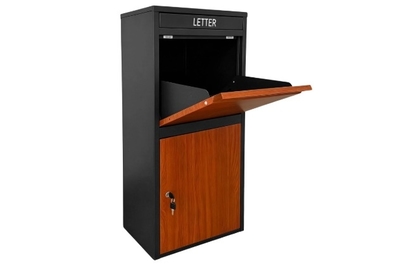
Editor Jon Chase tested a chute that dropped parcels into a locked chamber. It hid packages, but Conte said she could reach through the chute and pull one out. She said Wirecutter does not recommend spending that much when the one-way door is not effective.
A later, taller, deeper, and less expensive chute box is the one they do recommend for people who are repeatedly targeted: the Feliluke Delivery Box, a locking box with a one-way drop chute meant to be easy for drivers and harder to steal from.
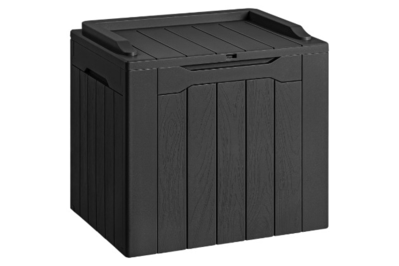
Editor Grant Clauser tried an ordinary storage box. The team agreed concealment worked, but they found that particular box unattractive. With help from Wirecutter’s home-decor coverage, Conte settled on the Devoko 30 Gallon Box: a waterproof resin container whose interior is about 20 by 13 by 19 inches, intended as a visual deterrent and simple enough for a driver to open with one hand.
Her main conclusion was that the useful box is the one drivers will actually use. A box on the stoop can also advertise where packages are. Even so, she said she would rather have had a hard-to-replace item inside a box than sitting in the open for days, as happened with a purchase left on her own porch over a long weekend.

What cameras can and cannot do
Conte said video doorbells and outdoor cameras rarely stop a theft already underway, because the grab takes only seconds. They are better for delivery alerts, checking the porch remotely, and, if the resident chooses, sharing footage with police or neighbors.
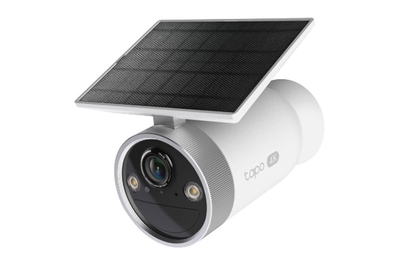
The episode’s recommendations were the hardwired Google Nest Doorbell (Wired, 3rd Gen), which records clear audio and 2K video, identifies types of motion, and offers optional 24/7 cloud recording, and the cordless TP-Link Tapo MagCam 4K Camera C465, cited for a sharp image, object detection, and a built-in solar panel. Cericola’s own cameras flagged Conte at once through an AI description of a woman carrying a box, which shows how alerts can tell a resident something has arrived. They did not prevent the test “theft.”
Other limits that showed up in the reporting
At Clauser’s house, a neighbor came outside and asked what Conte was doing. Conte said a real thief would have left. She also left a GPS-tracked bait box on her own porch for two weeks; nobody took it, and a neighbor eventually brought in a separate delivery. She said risk varies with the walk from the street: a longer setback leaves a thief more exposed, and houses closer to the street tend to be hit more often.
Conte said drivers have become more willing to follow delivery notes than when Cericola first tested a smart lockbox. She pointed to free carrier tools—photo confirmation and specific instructions for an out-of-sight spot—rather than to one carrier being inherently safer. FedEx and UPS can also alert a household to incoming packages from those carriers even when the resident did not place the order. Chase knew she was coming because alerts showed eight packages due the next day, though he still did not catch her while he was working.
For higher-value shipments this holiday season, Conte said FedEx is using a QR code that requires meeting the driver in person, and UPS is using a PIN. Both are opt-in tools for face-to-face delivery, not a general guarantee.
If an item matters and no one will be home, she suggested sending it to a staffed pickup point such as a UPS store or Walgreens, an Amazon locker, or another occupied home.
If a package is taken
Conte said police she interviewed do not want residents to confront someone taking a package. She cited cases that turned violent, and Cericola’s view that no object is worth that risk. They do want the theft reported, because one stop is often part of a pattern and police cannot see the pattern otherwise. Sharing camera footage is the resident’s choice. Conte said that when departments publicize video, more victims come forward; in one account she relayed, an apparent three stolen packages became 80.
She also said some thieves are delivery workers who take a parcel while dropping off something else, and that police described repeat offenders they already know. Whether a case is charged as a misdemeanor or a felony, she said, often depends on the value stolen, and some cases lead to jail time.
For the resident, the first step she described is contacting the seller. Reimbursement, sometimes as a gift card rather than a reshipment, is now common, but she stressed there is no guarantee.
Conte said she had never had a package stolen from her own porch. She is long-term testing the recommended box, drivers have been using it, she has turned on delivery alerts, and she added a camera mainly so she can check the porch from upstairs instead of running downstairs.